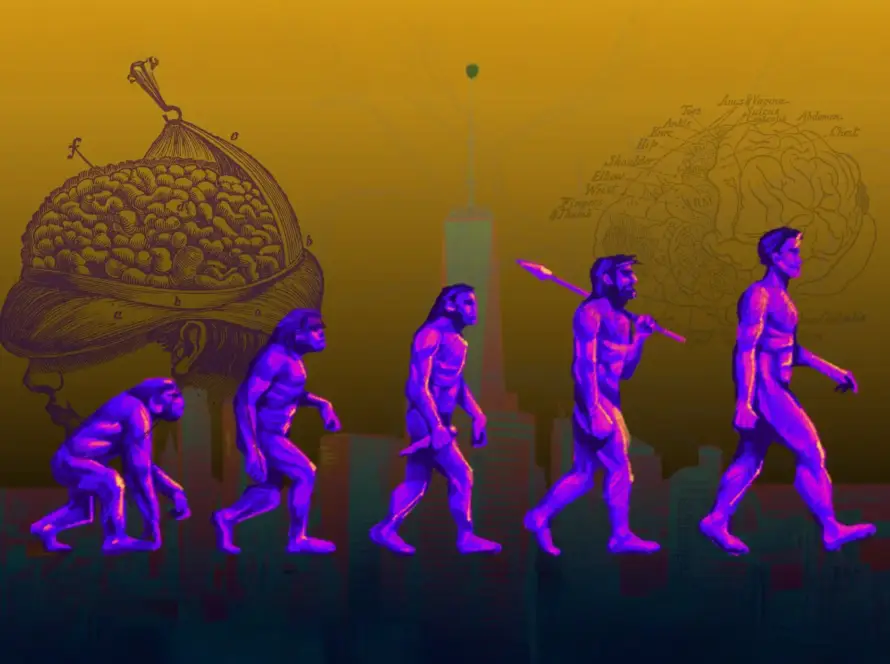
One truth has remained constant in human history now proved by science. In the long term, people do not thrive in isolation. Now we are not taking the discussion to marriage versus staying single. The context here is, you could choose your tribe. You need a tribe to rely on. Whether facing harsh natural environments, deadly diseases, or moments of crisis, our greatest strength has always been found in connection with others.
We may live in a world of technology and digital communication, but our brains are still wired for meaningful human interaction. Science is now confirming what our ancestors knew instinctively that our social ties are crucial for emotional wellbeing and resilience.
One fascinating study involved strangers who were asked to complete a stressful task. Half of them were allowed to hold hands or receive comforting words from their partner, while the other half faced the task alone. Those who experienced support showed lower heart rates and less brain activity related to anxiety. Simply knowing someone was present and caring made a measurable difference.
This effect, called “social buffering,” highlights that connection literally changes how our bodies handle stress. It is not just an emotional comfort but a biological necessity.
It’s not only brief encounters that help us; ongoing social relationships provide foundational mental health support. Long-term studies have found that people with strong social networks recover faster from trauma, suffer less depression, and even live longer than those who feel isolated.
The flip side is equally important: loneliness is a serious health risk. The feeling of being cut off from others elevates stress hormones and increases vulnerability to mental health challenges. It can be as harmful as smoking or obesity.
This is why World Mental Health Day in 2025 focuses on community, conversations, and care. Healing is deeply rooted in shared human experience, empathy, and dialogue. Our minds didn’t evolve to battle stress alone. They were shaped by the need to connect, to listen, and to feel seen.
Reaching out to someone, even in simple ways like a phone call or a shared walk, can spark profound healing. It activates brain regions responsible for safety and relaxation while soothing fight-or-flight responses.
Mental health is not a solo act. It is a dance performed with others, each person supporting and uplifting the other. When we share our stories, listen without judgment, and hold space for vulnerability, we create the conditions where recovery and growth flourish.
If you ever feel overwhelmed or alone, remember this deep truth: connection is medicine. You do not have to carry everything yourself. The people who encourage you, listen to you, and walk alongside you play an irreplaceable role in your wellbeing.
Look around you. Who are the encouragers in your life? Who offers honest truth, steady listening, or wise guidance? Strengthening those bonds enriches your emotional health far beyond what any solo effort can achieve.
So, while personal habits and self-care remain vital, don’t undervalue the power of a caring community. Mental health is a shared journey where conversations and human presence become the most powerful therapy of all.
Because in connection, we find healing, strength, and hope to face whatever comes next.